Gluten Free beer – what’s it all about?
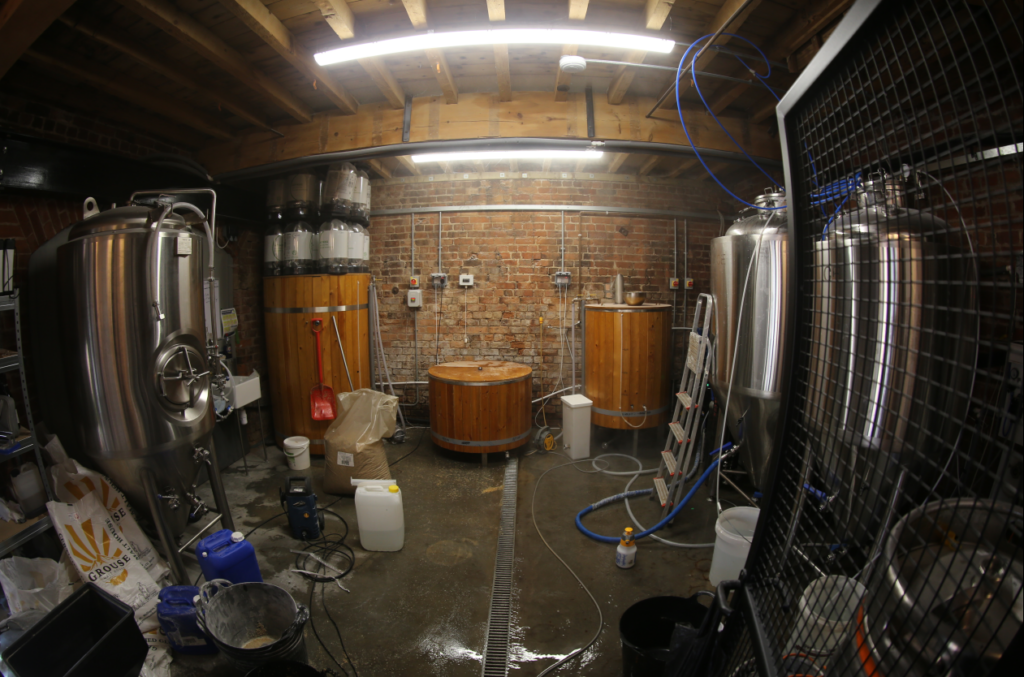
You may have seen the initials GF on some beer chalkboards or pump clips. It means Gluten Free. I got the inside info on GF beers from a chat with Jim at Jimbrew – a newish local brewer at Clifton Fields – who specialises in the stuff. I have paraphrased his answers
So – what exactly is gluten?
It’s a protein found in grains – mainly barley, wheat and rye, all of which are used in regular beer-making.
Why is it an issue?
Some folk can have a reaction to gluten – from an mild allergic reaction through intolerance to full-scale coeliac disease (a serious auto-immune disease). It can be quite hard to diagnose. There is no real treatment apart from avoiding gluten altogether – no regular bread, pasta, cakes, biscuits etc and no beer. Jim is a sufferer who likes his beer. At the time he was diagnosed there were only three GF bottled beers available – Peroni, Brewdog Vagabond, and Old Speckled Hen)
I’ve seen more GF beers recently – how do they make them?
Nearly all the GF beers in the UK are made as regular beers from malted barley etc, then an enzyme (usually brewer’s clarex) is added to degrade the gluten molecule down below some limit. This doesn’t entirely eliminate gluten but reduces the levels and counts as GF if it is below a test level (complex biochemical issues involved).
I’m guessing Jimbrew doesn’t use this enzyme?
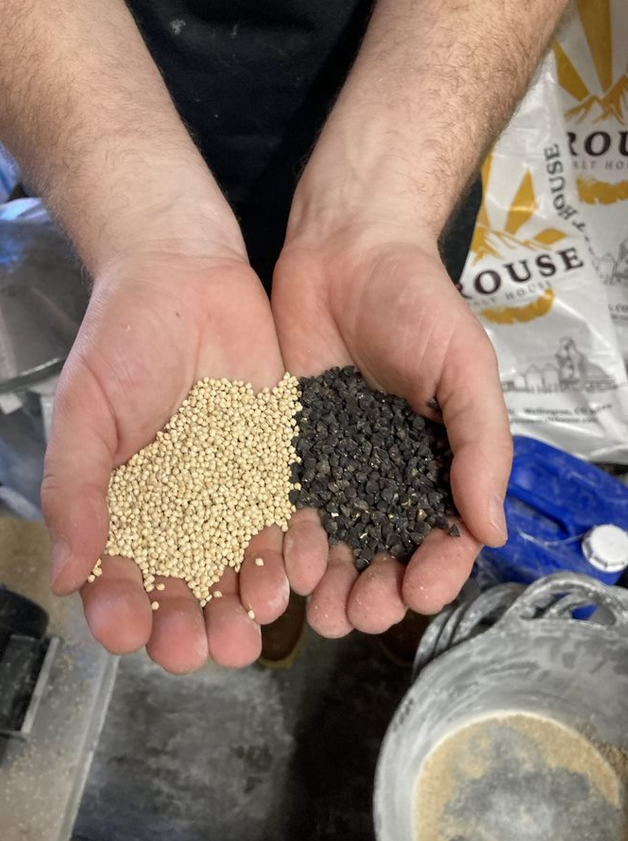
No – we use malted grains that don’t contain gluten at all. Zero. Such grains are millet, sorghum, buckwheat, rice, quinoa, corn and oats (but the oats have to be produced in a GF environment to avoid contamination). Unfortunately many of these don’t grow in the UK and no maltsters in the UK produce them for brewers.
So you were a bit snookered then?
Yes – but I thought “how hard can it be?” I was a homebrewer with GrainFather kit and started off using sorghum syrup (equivalent to malt extract brewing). It didn’t produce a good result. Then I got hold of some millet grains and tried malting it myself – sprouting, kilning and roasting. That also failed to produce a decent beer. Further research found that only a handful of countries produce malted GF grains for brewers – USA, New Zealand, Australia and Argentina. And the Grouse malthouse in Colorado would ship to England.
Problem solved?
Not exactly – the barley wheat and rye malting process has been perfected over hundreds of years and given rise to scores of different speciality malts to produce the huge range of beers that we see today. Malting GF grains is a new thing and there isn’t the same range of options for the GF brewer. The biggest problem, however is the cost – it costs FOUR times as much for pale millet malt as regular pale barley malt.
Is the brewing process the same?
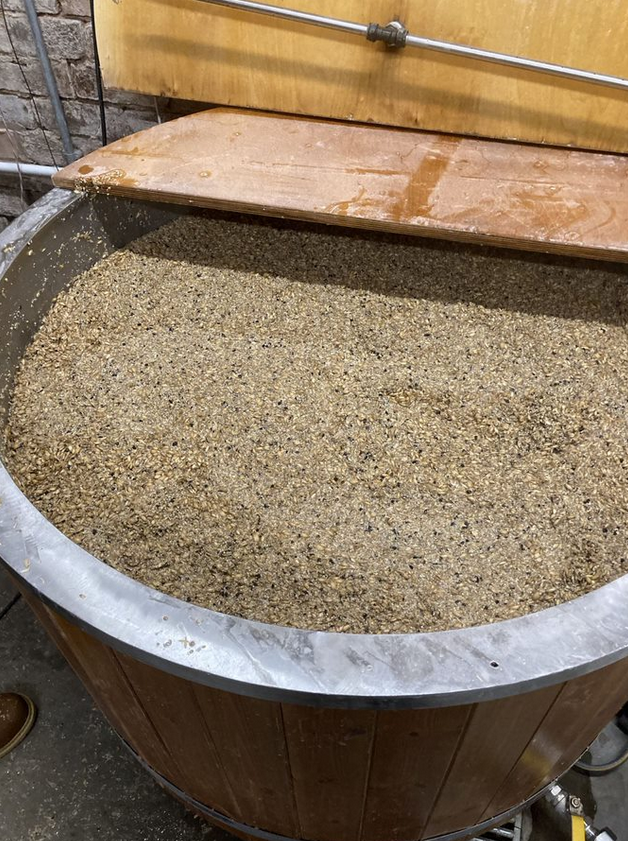
Once the grain is mashed, yes. The resulting wort is boiled, hopped and fermented with the usual ingredients. However as well as the limited range of malted grains, the mash temperatures are different, the yield is different and the process gives rise to different flavours, colours and head-retention characteristics. So a huge amount of experimentation has been required to get a good-tasting well-balanced beer.
And you’ve succeeded?
Yes – we have a range of regular GF beers that sell well:
| Sesh Bomb | 4.1% | Pale Ale |
| 68* | 3.9% | Pale Ale |
| Two Times | 4.7% | Session IPA |
| Back to Black | 4.0% | Dry stout |
| After Dark (Xmas) | 5.0% | Mint choc stout |
| Blame it on the Juice | 5.1% | IPA |
| I’m sexy Idaho it | 6.7% | IPA |
| My Haus | 4.5% | Helles Lager |
* named after the 68 bus which passes close to the brewery
Are any other brewers in the UK doing it this way?
There was a guy down south a while ago, but he’s gone rather quiet. Other brewers have been up to see how we do it at Jimbrew.
Who do you sell to?
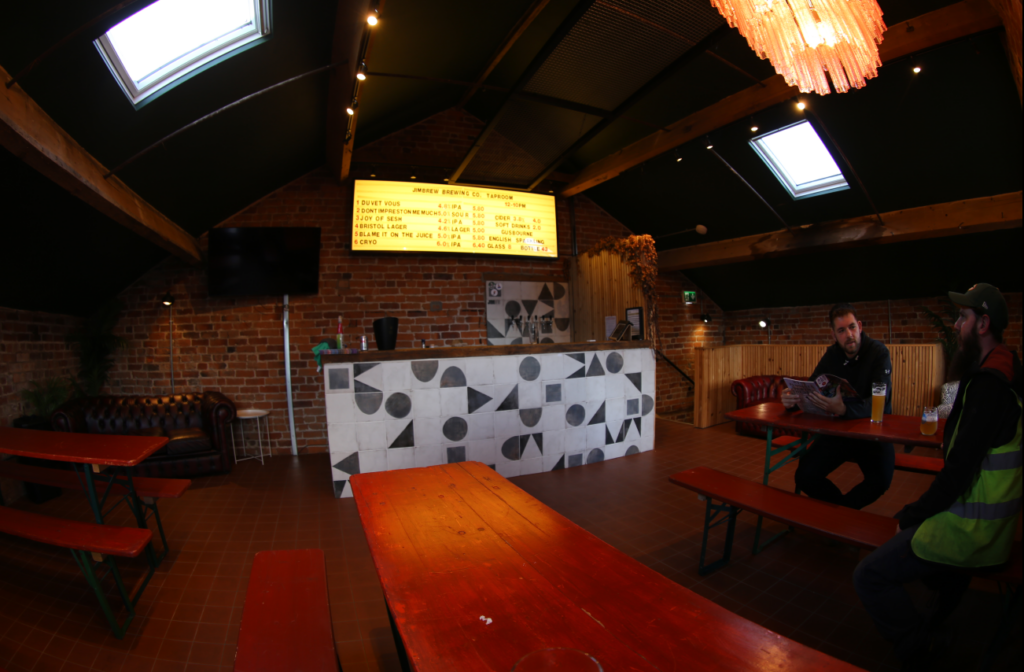
99% is sold in-house – either at the brewery tap or at JB Social in Freckleton up the road. There is a pub called The Eagle in London SW12 who takes a regular keg and the Apex Cafe in Lytham takes some. Plug and Taps and Chain House in Preston have taken some of his brews on occasion, and he’ll be (or will have been by the time you read this) at Chews Yard beer fest in November. Last year an experimental cask sold out in 6 hours at P&T.
Ah yes – what about cask?
Well all our beers are “live” – unpasteurised and unfiltered, but the problem with cask is that there is a customer expectation that it going to be cheap, and we can’t do cheap due to the ingredient costs. Last year we canned a lot of beer which sold quite well especially online, and the intention is to expand this.
Cheers Jim!
Written By: DAVE WOOLCOCK
This article was originally published in the Spring 2025 Edition of Ale Cry which can be found here.